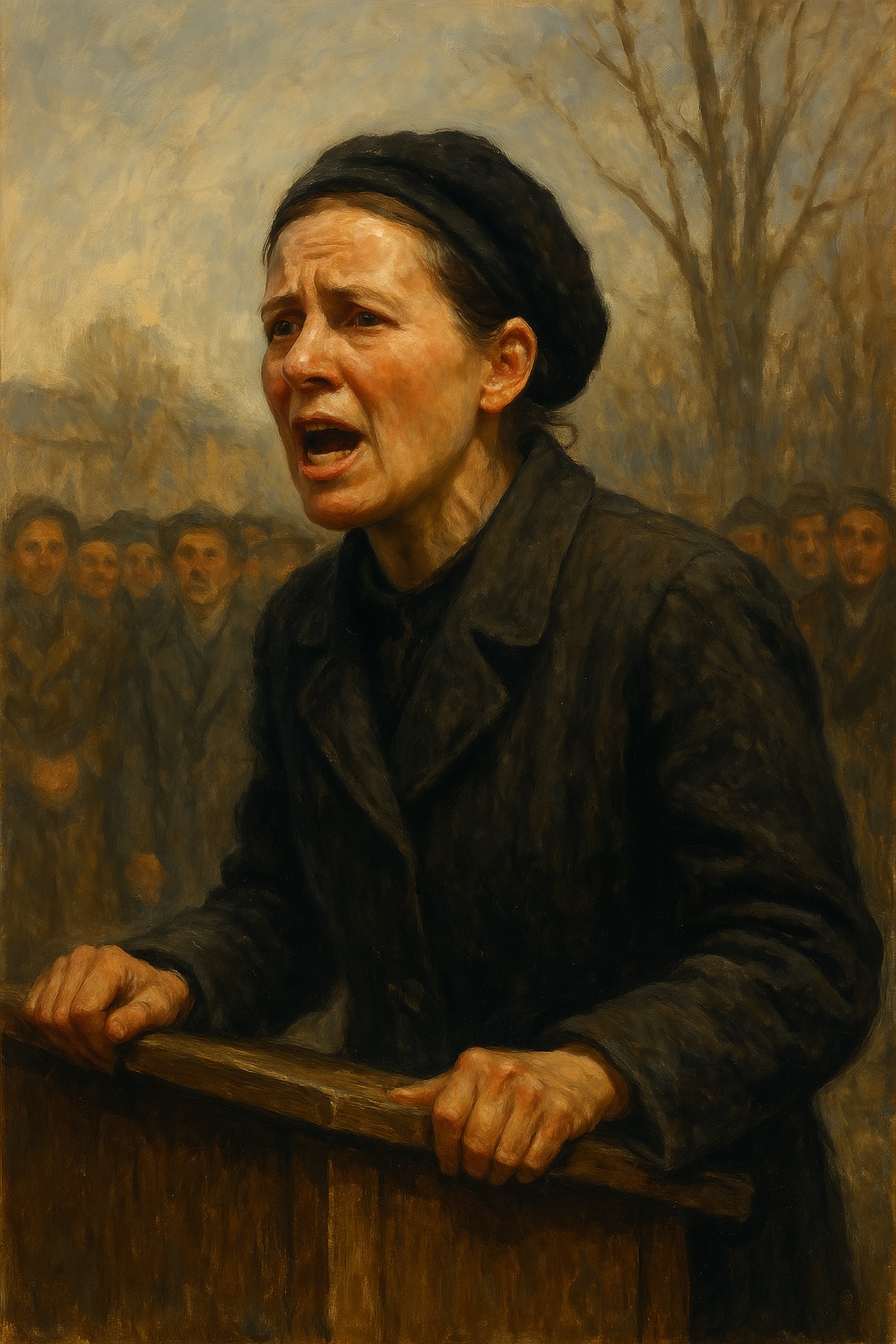
A 30-year-old Polish social worker with a calm demeanor and a storm inside.
⸻
What she saw:
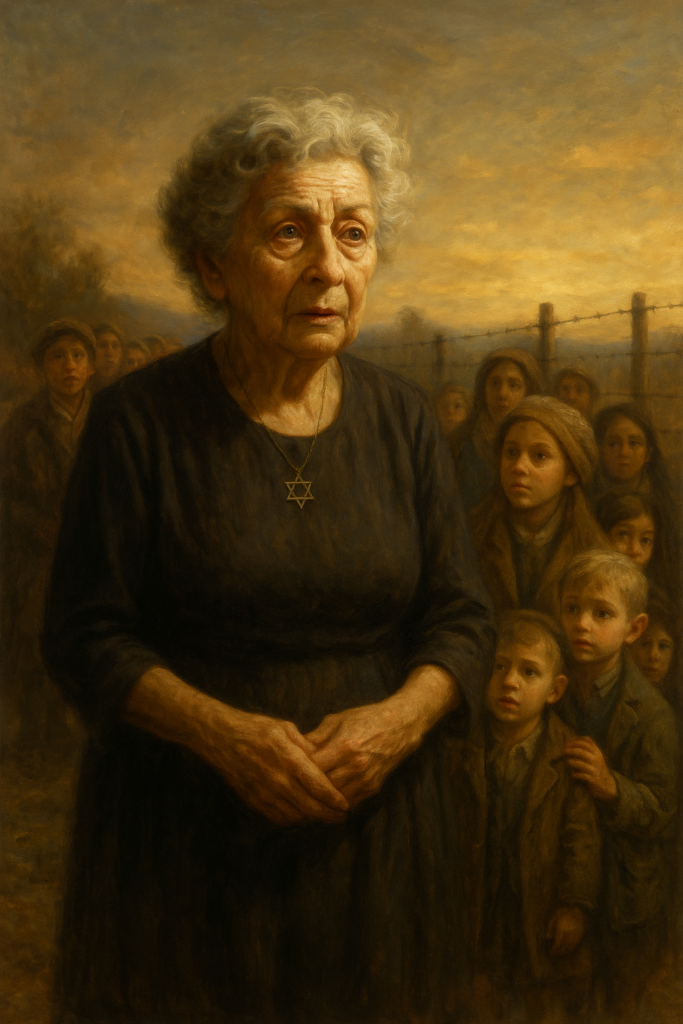
The Warsaw Ghetto—closed off by walls, packed with 400,000 Jewish people, starving, dying, waiting for deportation.
Everyone else walked by, horrified, helpless.
Irena didn’t walk by.
She walked in.
⸻
Her cover story:
She was part of the social welfare department, technically allowed to enter the ghetto to check on sanitation.
But she wasn’t bringing supplies.
She was smuggling children out.
In ambulances.
In toolboxes.
In coffins.
In sacks.
Sometimes drugged babies in bottom drawers of carts.
She risked her life every single time.
⸻
Her network? Underground angels.
She worked with the Żegota resistance—a covert operation hiding children in:
• Convents
• Orphanages
• Homes of brave Polish families
Each child was given a new identity.
But Irena?
She wrote their real names on thin pieces of paper, sealed them in glass jars, and buried them under a tree.
Why?
Because she believed:
“After the war, I’ll reunite them with their families.”
Even when she knew most of those families wouldn’t survive.
⸻
How many did she save?
2,500 children.
Let that number settle.
One life-risking smuggle at a time.
For three years.
While knowing that being caught meant torture and death.
⸻
Then it happened.
She was caught.
Tortured. Legs and feet broken.
Beaten nearly to death.
Still refused to give up a single name.
Sentenced to execution.
Żegota bribed a guard. She escaped.
Went into hiding.
And kept working.
Kept saving children.
⸻
After the war?
She unearthed the jars.
Tried to trace the children.
Most parents had perished.
So she gave the records to what remained of the Jewish community—a fragile, flickering legacy of love.
⸻
What did she say about it all?
“I was taught by my father that when someone is drowning, you don’t ask if they can swim. You jump in.”
That’s it.
No cape.
No spotlight.
Just jars of names.
And a soul so fierce the darkness couldn’t break it.