He was born into silence.
No record of his birth. No knowledge of his father. Only the distant outline of his mother’s face in memory.
He was born enslaved—in Maryland, in the early 1800s. The world told Frederick Douglass he was property. But his mind told him otherwise.
He watched the master’s children read. Listened to them speak freely. He knew instinctively: this was the difference. Words were power. Words were freedom.
So he stole them.
Traded food with poor white boys for lessons. Hid newspapers in his coat. Repeated sentences under his breath while carrying water buckets. He learned to read in secret—and in doing so, he discovered a revolution inside him.
As a young man, he escaped north. But Douglass did not run to disappear. He ran to appear—fully, brilliantly, publicly.
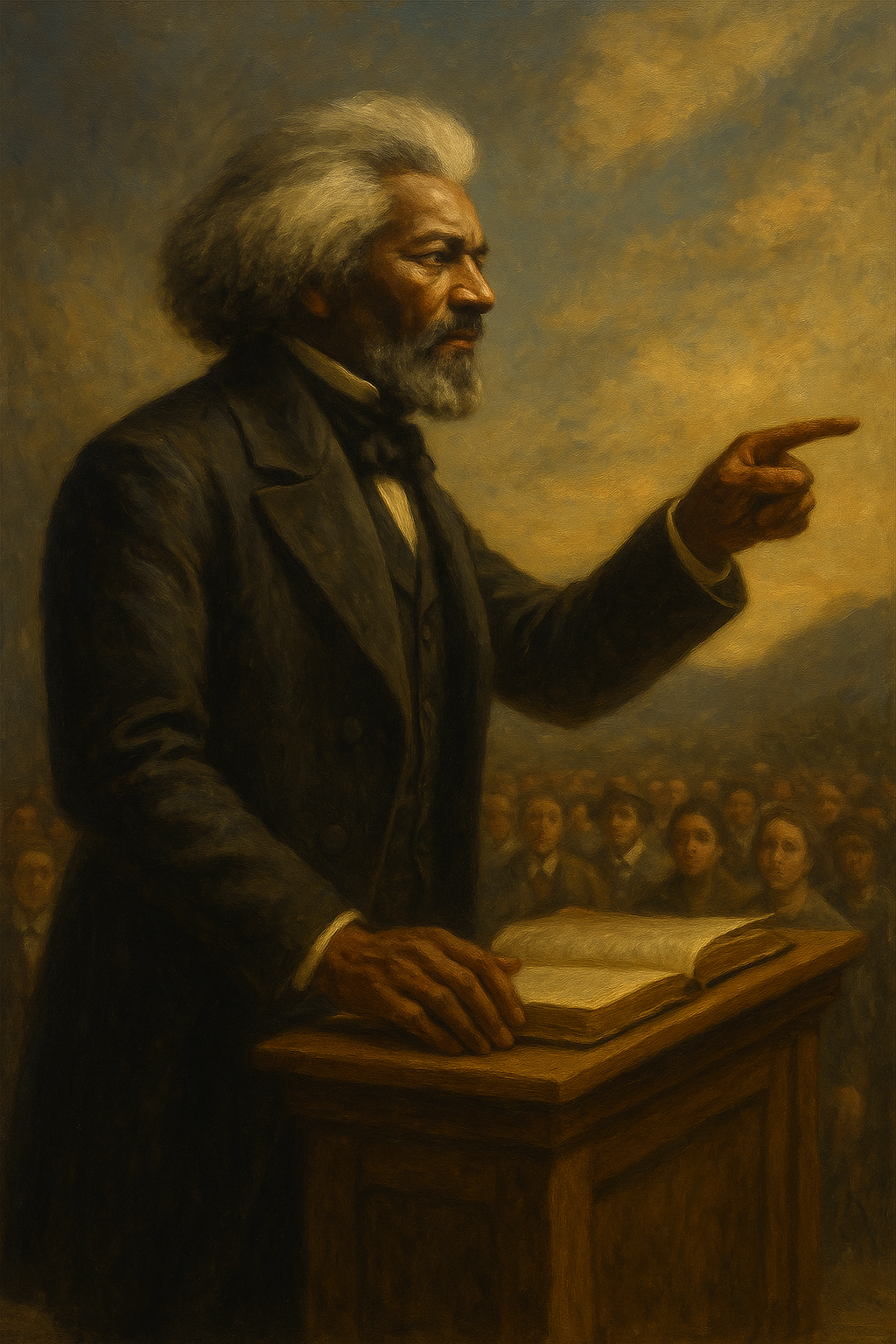
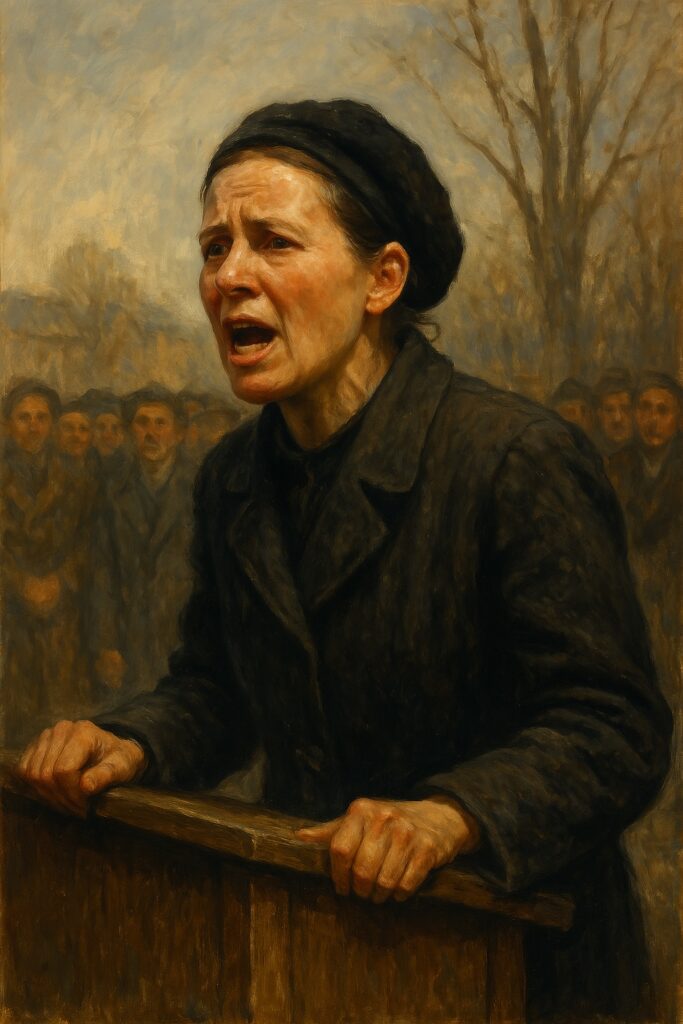
And when he stood behind a podium, people heard something they had never heard before: a man born into slavery speaking truth with thunder and elegance, with intelligence sharpened by injustice.
He shattered stereotypes. He embarrassed lawmakers. He made silence impossible.
Douglass didn’t ask politely for change. He demanded it. He traveled the world, debated presidents, and shaped the conscience of a nation still clawing toward freedom.
He wasn’t just a speaker. He was a mirror. And America couldn’t look away.