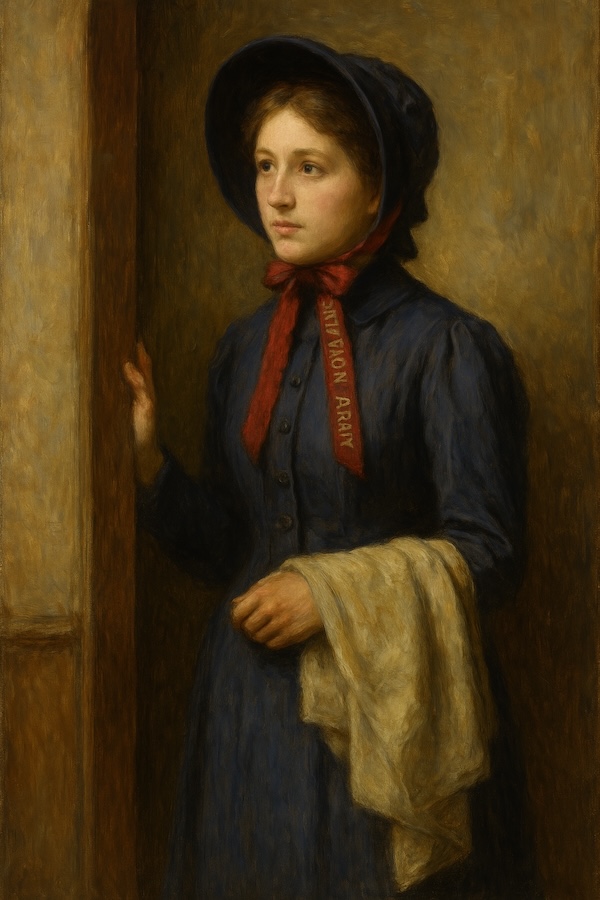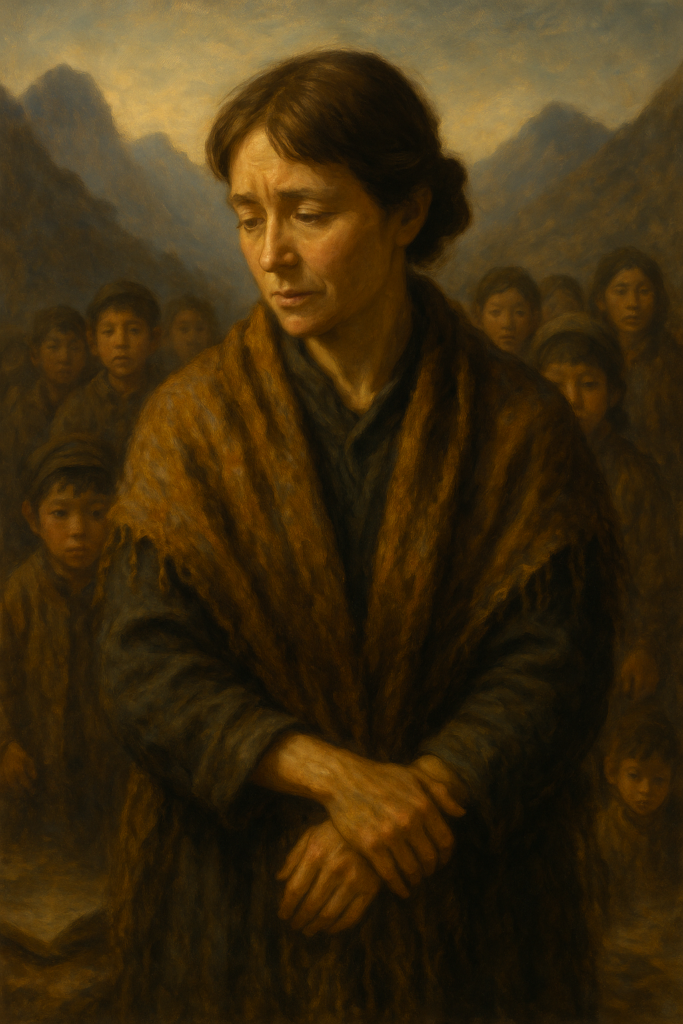
Eliza Shirley—just 16 years old, filled with fire and faith, when she decided to do something no one expected.
She didn’t come from power.
She wasn’t sent by a mission board.
She just believed—that the forgotten, the homeless, the broken-hearted deserved a second chance.
—
The leap:
She left England with her parents and sailed to the U.S., hoping to spread the radical idea that love and dignity are for everyone—even the drunk, the poor, the jailed, the discarded.
They arrived in Philly with nothing.
People laughed at her.
Said she was too young.
Said no one in America would listen to a girl in a bonnet preaching love in alleyways.
She didn’t listen.
—
The work:
She preached in slums.
Held services in empty buildings.
Offered shelter and food to those no one else would touch.
And the people came.
Not just the “worthy poor,” but the ones society had long given up on.
She welcomed them all.
With music.
With prayer.
With bread.
When she needed help, she wrote back to William Booth, the founder of the Salvation Army.
His response?
He sent more officers.
Because of Eliza Shirley, the Salvation Army spread across the U.S.—growing from her tiny Philly mission to over 7,000 centers nationwide today.
—
The legacy:
She didn’t build a church.
She built a movement.
One where meals were as holy as sermons.
Where love was measured in service, not speeches.
She lived her whole life in quiet humility.
Never sought credit.
Never stopped giving.
She once said:
“The world calls them lost. I call them mine.”
—
And that’s the kind of story this is:
Not one of fame.
But of faith in people.
The kind of story where a teenage girl lands in a new country
and gives the forgotten their place at the table.