Oskar Schindler—a womanizing, hard-drinking, Nazi party member and industrialist.
Not the man you’d expect to become a legend of mercy.
But war reveals who people really are.
—
The beginning:
He arrived in Kraków to make money.
Bought a factory. Hired Jewish workers because they were cheaper.
He partied with SS officers. Dined with commanders. Played the game.
He was nobody’s hero.
Until he saw what that “game” really meant.
He watched people disappear.
Watched children shot in the street.
Watched friends turned into ghosts.
And something broke in him.
—
The shift:
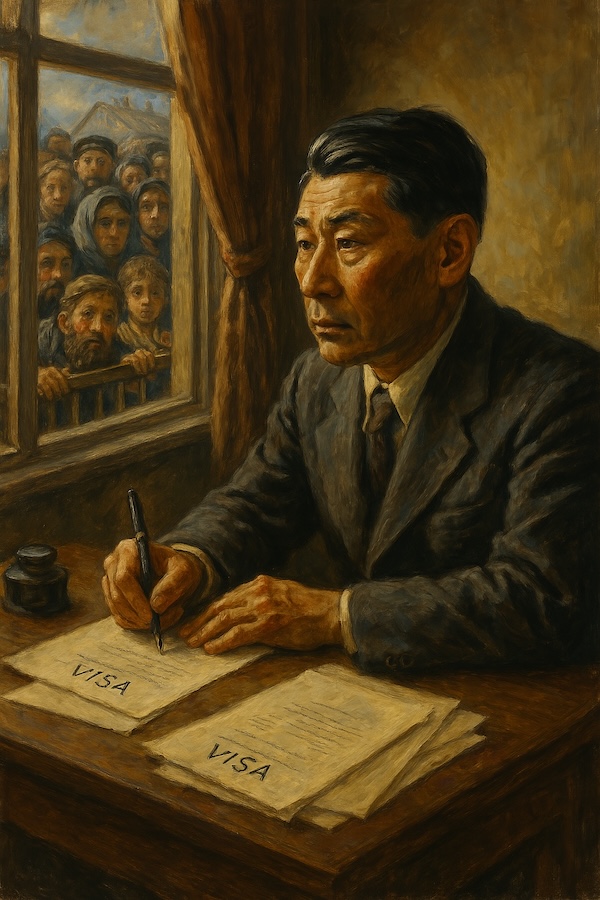
He started forging paperwork.
Falsifying records.
Bribing SS guards.
He used his factory as a shield—insisting certain workers were essential, even when they weren’t.
He spent his entire fortune keeping them on the “list.”
The factory barely functioned.
He didn’t care.
Because every worker on that floor meant one less body on a train.
—
The list:
By the end, he had saved 1,200 lives.
He didn’t save them through speeches or battles.
He saved them with:
• forged ID cards
• sacks of bribe money
• whispered lies
• and a broken heart that couldn’t bear to watch anymore.
—
What did he gain?
Nothing.
He died broke.
Alone.
Haunted by the names he couldn’t save.
His last words?
“I could have gotten more… I didn’t do enough.”
—
But what did he leave behind?
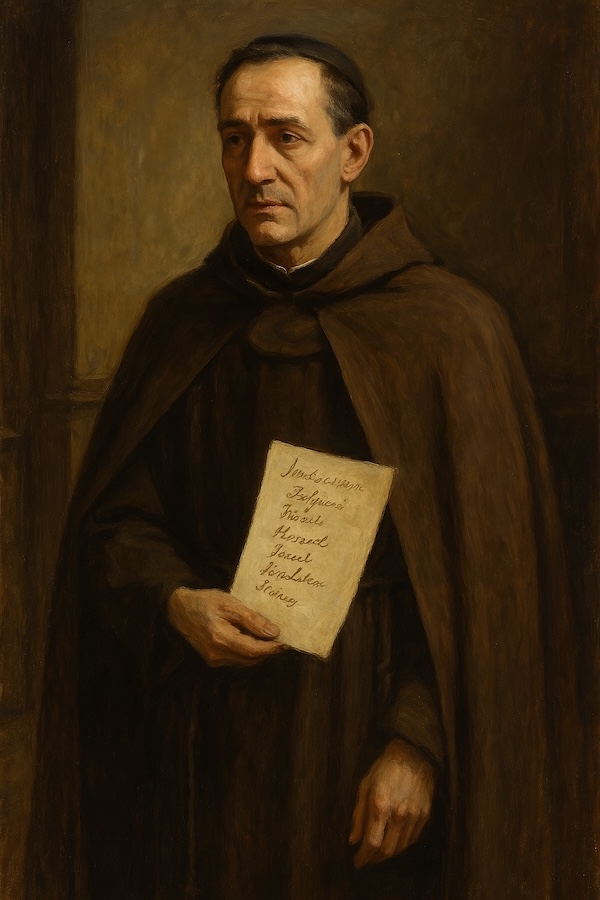
A list of names.
1,200 survivors.
Their children.
Their grandchildren.
Tens of thousands of lives now exist
because one man, once selfish,
decided enough.
He couldn’t change the war.
But he changed their fate.
—
And that’s the truth of legacy:
Not built by grand gestures.
But by thousands of small ones.
Signed forms.
Hidden rations.
Stolen time.
One act at a time.
One name at a time.
One life… at a time.